





Pharmaceuticals play a critical role in human health and welfare, and within the pharmaceutical industry, there are various components involved in the production of drugs. These components include intermediates, Active Pharmaceutical Ingredients (API), excipients, and final drug products.
Intermediates are compounds that are produced during the synthesis of an API and require further molecular changes or refinement to become a raw material. They are not the final product and do not require a drug production license but must be registered with the FDA for safety purposes.
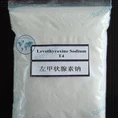
APIs are the active ingredients in medications and are used to diagnose, treat, mitigate or prevent diseases. APIs are synthesized using intermediates and other raw materials and must undergo pharmaceutical research to ensure their safety and effectiveness before receiving approval from regulatory authorities.
Excipients, also known as pharmaceutical or drug-use additives, are substances that are used to prepare the final dosage form of a drug. They have a variety of functions, including providing form, aiding in solubility, and improving stability.
Finally, the finished drug product is a combination of the active pharmaceutical ingredient, excipients, and any necessary additives. These final products are available in a variety of dosage forms, including tablets, capsules, liquids, and more.
In summary, the pharmaceutical industry is vast and complex, with various components and stages involved in the production of drugs. From intermediates to APIs to excipients and final drug products, these components work together to create life-saving medications that improve the health and well-being of millions of people worldwide.