




Peptides
RAWSGEAR: a Professional Peptides Supplier
We offer everything you need and have secured shipping methods to the world based on years of experience.
Variety of Products
We can provide customers with many types of chemicals and chemical raw materials. Including anabolic steroid raw materials, oral steroids, semi-finished oils, peptides, Sarms, pharmaceutical raw materials, testosterone, steroid raw materials, anti-estrogens and PCT, etc.
Strict Quality Standards
As a professional manufacturer, we have a professional factory team and processing workshop to ensure the quality of our products. Moreover, we have set strict quality standards in each production link and arranged experienced production personnel to monitor the entire production process.
Multiple Delivery Methods
We can provide a variety of transportation methods, such as domestic shipments in the United States and domestic shipments in the European Union (DHL in Germany). In addition, we can ensure safe shipping in Canada and arrival within 7 to 15 days, and safe shipping in Australia with a 99% pass rate (we have a 100% free reshipping policy).
Multiple International Certifications
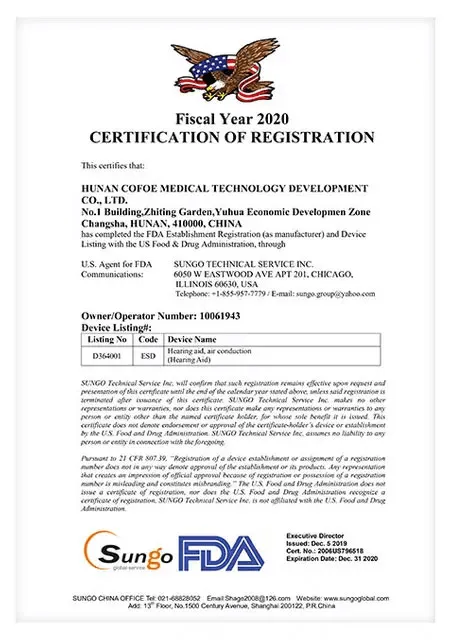
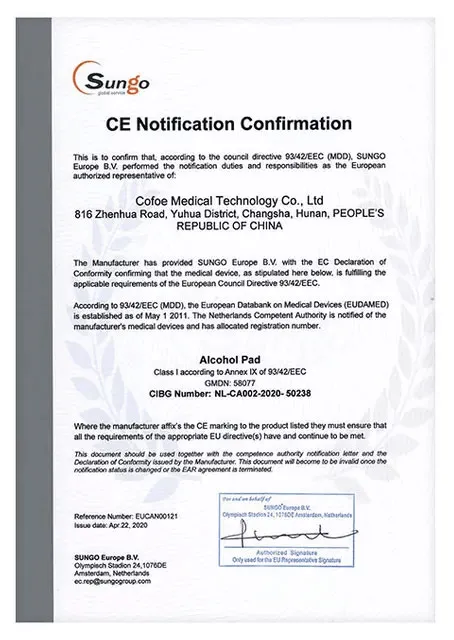
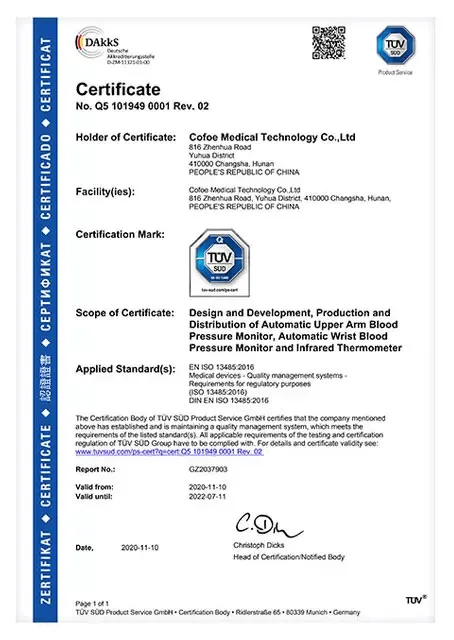
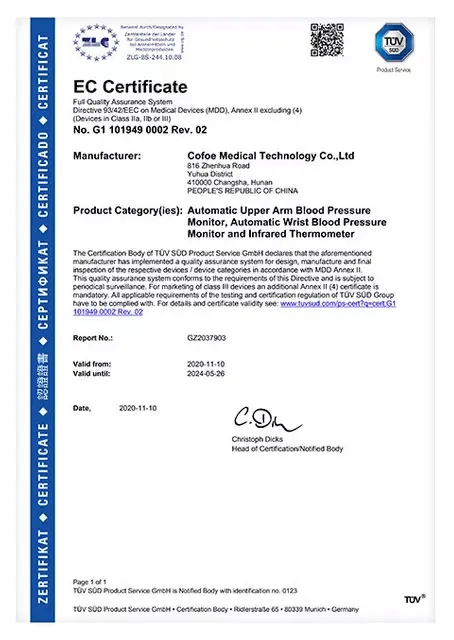
We have obtained multiple certification certificates from CE and ISO, which represents our professionalism and high level. At the same time, our products are sold to many countries and regions such as Europe and the United States, and have been recognized by many customers.






Brief Introduction to Peptides
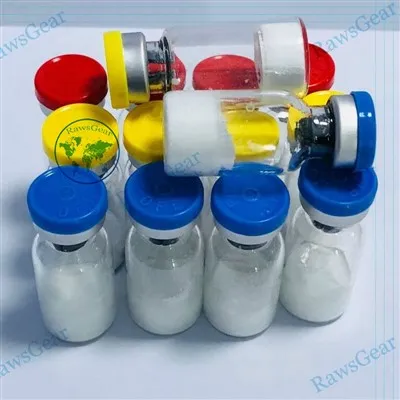
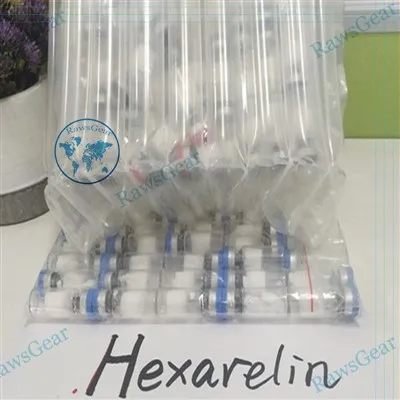
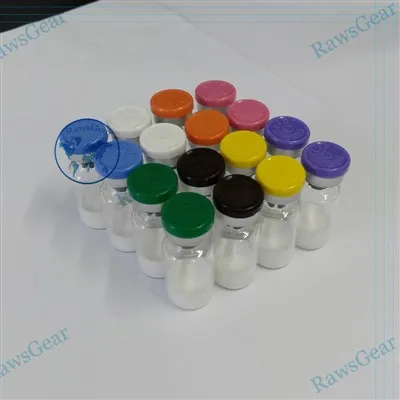
Peptides are strings of molecules called amino acids, which are the "building blocks" of proteins. Peptides are basically short proteins that are about 2-100 amino acids long. Your body makes peptides that serve important functions in some of your body's most necessary processes. For instance, insulin is a 51-amino-acid-long peptide hormone that helps your cells take in sugars from your food to use for metabolism and store them in your liver. Researchers have been working to develop peptides as treatments for some medical conditions since 1921. In fact, insulin was the first peptide ever made in a lab by scientists (called a synthetic peptide), and it's been used to treat people with type 1 diabetes since 1923. Studies show that some peptides may also have benefits for your skin, muscles, and maybe your weight. So, for decades, companies have been putting them into skin care products and dietary supplements you can buy over the counter.
Types of Peptides

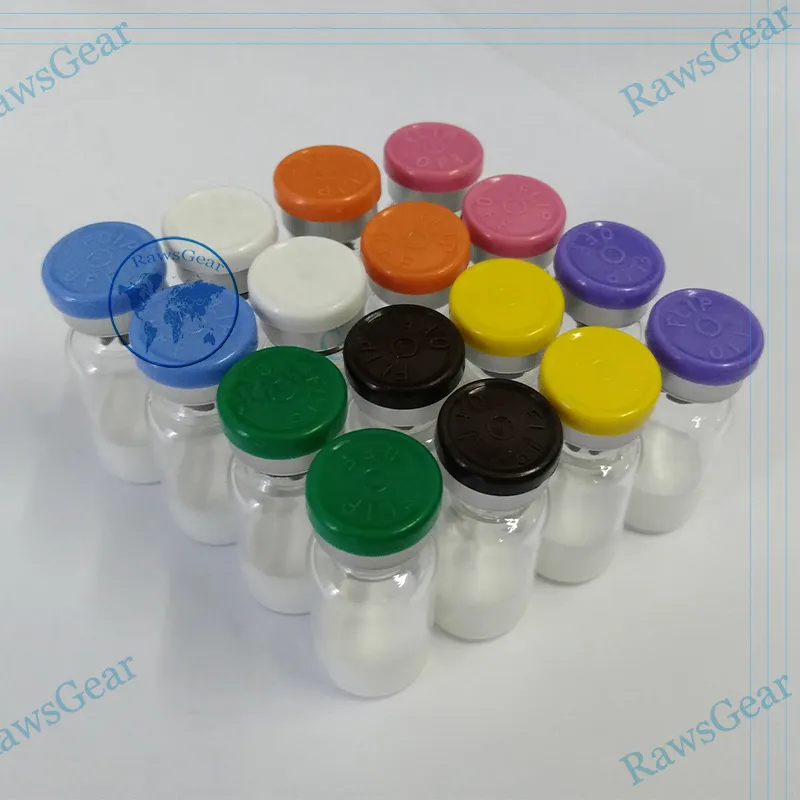


In recent years, peptides have had a meteoric rise in popularity, particularly in the fields of medicine, the beauty industry, and the fitness industry. To help you understand the benefits of various peptides, we have compiled this comprehensive guide to some of the most promising options.
LL-37
LL-37 is an antimicrobial peptide from the cathelicidin family. It is predominantly produced by immune and epithelial cells in response to infection or inflammation. LL-37 has been shown to have potent antibacterial and anti-inflammatory properties, supporting the body in combating a variety of illnesses such as bacteria, viruses, and fungi. This peptide has been demonstrated to improve wound healing by increasing cell migration, angiogenesis, and the generation of growth factors, in addition to its antimicrobial activity. LL-37 dosage varies according to the condition being treated, and it can be coupled with other peptides.
Copper Peptides (GHK-Cu)
Copper peptides, like GHK-Cu, are utilized to regenerate skin and fight aging. They aid in the stimulation of collagen formation, the reduction of inflammation, and the promotion of wound healing. These peptides are generally used topically in skincare products at concentrations ranging from 0.5% to 5%. They can be coupled with other peptides like Matrixyl to boost skin regeneration.
Melanocortin Receptor Peptides
Melanocortin receptor peptides, such as Melanotan II, are utilized for a variety of purposes, including promoting skin tanning, suppressing hunger, and improving sexual performance. They function by activating certain melanocortin receptors in the body, which results in a variety of physiological effects. Although there is a lack of scientific evidence, this family of peptides is believed to have a positive effect on muscle growth and recovery. The dosage of melanocortin receptor peptides varies greatly based on the application and individual requirements. In most cases, a medical professional will need to be consulted to determine the ideal dosing.
BPC-157
BPC-157, also known as body protection compound 157, is a synthetic peptide that has been shown to have various healing and regenerative properties. It has been studied for its ability to aid in tissue repair, reduce inflammation, and accelerate wound healing. This synthetic peptide is thought to work by interacting with several cellular pathways involved in tissue repair and regeneration, including regulating growth factors and modulating inflammatory responses. The dosage of BPC-157 typically ranges from 100 mcg to 500 mcg per day, depending on individual needs and goals.
CJC-1295/Ipamorelin
CJC-1295 and Ipamorelin are two peptides that are often used together. Each one is potent when used independently but is most effective when combined. CJC-1295 is a synthetic analog of GHRH that stimulates the anterior pituitary gland to release human growth hormone (HGH). Ipamorelin is a growth hormone-releasing peptide (GHRP). GHRPs release growth hormone slowly and steadily in a way that mimics the release timing of natural growth hormone (GH) and growth hormone-releasing hormone (GHRH). Ipamorelin has two main mechanisms of action: increasing your body's levels of natural GHRH and restraining the somatostatin hormone that hinders your body from producing growth hormone. It takes between one and four hours for CJC-1295 to reach peak serum levels in the blood. Ipamorelin works more quickly than CJC-1295, but it is also eliminated from the body in a shorter period of time than CJC-1295 because Ipamorelin has about a two-hour half-life. These peptides work well together because ipamorelin kicks in quickly, and CJC-1295 ensures lasting effects.
Argireline
Acetyl Hexapeptide-8, often known as Argireline, is a synthetic peptide with muscle-relaxing characteristics. Because of its ability to minimize the appearance of fine lines and wrinkles, it is frequently referred to as “topical Botox.” These peptides work by preventing the release of neurotransmitters that cause muscular spasms, resulting in a temporary relaxation of the facial muscles. This relaxation can help to smooth out wrinkles and fine lines, especially on the forehead and around the eyes. Argireline is commonly found in topical skincare treatments in quantities of roughly 10%. While Argireline may provide some immediate improvements in the appearance of wrinkles, the effects are only temporary, and regular use is required to maintain the results.
Growth Hormone-Releasing Peptides (GHRP)
Growth hormone-releasing peptides (GHRPs) are synthetic peptides that trigger the pituitary gland's growth hormone production (GH). They have been demonstrated to boost muscular development, increase hunger, and aid the body's overall growth and healing processes. GHRPs such as GHRP-2, GHRP-6, and ipamorelin are examples of GHRPs. The dosage of GHRPs varies according to the peptide utilized and the individual's demands. It is crucial to highlight that the usage of GHRPs is currently under investigation, and they should only be used under the supervision of a healthcare expert.
Glp-1 Analogs
Glucagon-like peptide-1 (GLP-1) analogs are a family of drugs used to help individuals with type 2 diabetes regulate their blood sugar levels. They are structurally identical to the natural incretin hormone GLP-1, which regulates glucose metabolism. GLP-1 analogs function by boosting pancreatic insulin production, decreasing glucagon release, and slowing gastric emptying, resulting in better blood sugar control. Exenatide (Byetta), liraglutide (Victoza), and semaglutide are examples of well-known GLP-1 analogs (Ozempic). These drugs are often given as injections and are used in conjunction with other diabetic therapies, such as oral medications and lifestyle changes.
DSIP
DSIP (delta sleep-inducing peptide) is a neuromodulator and nonapeptide that has been studied for over 40 years. It is naturally present in the brain and easily moves through the blood-brain barrier (BBB). DSIP has many potential physiological benefits and can be useful in treating low testosterone, pain, poor sleep, and stress-related symptoms. There are five sleep stages and two categories of sleep: rapid eye movement (REM) and non-REM (NREM). Many important physiological processes happen during each sleep stage, and anabolic hormones are produced. Many sleep aids work by affecting the time or duration of sleep cycles, which may alter these physiological processes and hormone production, but DSIP works by helping regulate your circadian rhythm, which may help you fall asleep and provide you with more restful sleep. It does not shorten or lengthen the time your body has during each sleep stage. In humans, DSIP also stimulates the secretion of adrenocorticotropic hormone (ACTH), growth hormone (GH), and luteinizing hormone (LH). Like Ipamorelin, DSIP decreases the production of somatosin and a stress hormone called cortisol. Its stimulation of LH makes it useful in helping treat low testosterone, and its reduction of the production of stress hormones makes DSIP useful in treating stress issues.
B-Type Natriuretic Peptide (BNP)
The heart secretes B-type natriuretic peptide (BNP) in response to stretching or increasing pressure. It works as a vasodilator, relaxing blood vessels and lowering blood pressure. BNP also induces diuresis and natriuresis, which aid in reducing fluid retention in the body. BNP levels in the blood can be elevated in the presence of heart failure, making it a useful diagnostic tool for clinicians. High doses of BNP or its synthetic counterpart, nesiritide, may be used to treat acute heart failure. This treatment seeks to relieve symptoms by increasing vasodilation and decreasing fluid excess in the body. The use of BNP as a treatment is normally reserved for severe instances and should only be delivered under the supervision of a healthcare practitioner.
PT-141
PT-141 (also known as bremelanotide) is a synthetic peptide typically used to help enhance sexual activity in men and women. It is a melanocyte-stimulating hormone (MSH) that works by activating neurons in the brain's hypothalamus region to increase sexual desire. This peptide helps increase libido in both men and women and helps cause erections in men. In a study of premenopausal women with hypoactive sexual desire disorder (HSDD), PT-141 helped increase sexual desire and reduced distress.
Sermorelin
Sermorelin is a synthetic form of GHRH that can be used to correct low levels of HGH in children and adults, but it is most beneficial for children. It may also help treat certain types of recurrent brain tumors. HGH is most important for children and adolescents, but it is necessary to keep your organs and tissues healthy throughout your life. Having HGH levels that are too high or too low can cause health problems in people of all ages.
Benefits of Peptides
People often use peptides to try to achieve the following effects:
Slow Down the Aging Process
Collagen is a protein in the skin, hair, and nails. Collagen peptides are broken down collagen proteins that the body can absorb more easily. Taking collagen peptides may improve skin health and slow the aging process. Some studies indicate that dietary food supplements that contain collagen peptides can treat skin wrinkles. Other research indicates that these supplements may also improve skin elasticity and hydration. Peptides may stimulate the production of melanin, a skin pigment, which may improve the skin's protection against sun damage. Topical anti-aging cosmetics can also contain peptides, which manufacturers claim can reduce wrinkles, help skin firming, and increase blood flow.
Improve Wound Healing
As collagen is a vital component of healthy skin, collagen peptides may facilitate faster wound healing. Bioactive peptides can also reduce inflammation and act as antioxidants, which can improve the body’s ability to heal. Research is currently ongoing into antimicrobial peptides, which may also improve wound healing. Having very high or very low levels of some antimicrobial peptides may contribute to skin disorders, such as psoriasis, rosacea, and eczema.
Prevent Age-Related Bone Loss
Animal research a moderate intake of collagen peptides with an increase in bone mass in growing rats who also did running exercise. The study may point to collagen peptides being a useful way to counteract age-related bone loss. However, more research is necessary, especially on humans.
Build Strength and Muscle Mass
Some research on older adults indicates that collagen peptide supplements can increase muscle mass and strength. In the study, participants combined supplement use with resistance training. Creatine peptides may also improve strength and help to build muscle. While fitness enthusiasts have been using creatine protein powders for many years, creatine peptides are increasing in popularity. These particular peptides may be easier for the body to digest, which means they may cause fewer digestive problems than creatine proteins.
Peptides possess antioxidant, antimicrobial, and antithrombotic (anti-clotting) effects, among others.
Peptides in Drugs
As of 2017, more than 80 peptide drugs have been approved in the U.S. and other markets around the world. Peptides used in medicines are either naturally occurring or synthetic. Examples of peptide drugs include the following:
*Diabetes drugs, such as insulin and glucagon-like peptide 1 (GLP-1) receptor agonists improve blood sugar management.
*Vasopressin is used to treat diabetes insipidus and to manage antidiuretic hormone deficiency.
*Desmopressin is also used to treat diabetes insipidus, but also to control excessive thirst and the passage of an abnormally large amount of urine that may occur after a head injury or after certain types of surgery.
*Cyclosporine is used to treat organ rejection post-transplant, rheumatoid arthritis, and psoriasis.
*Enfuvirtide is used in combination therapy for the treatment of HIV-1.
*Ziconotide is a neurotoxic peptide used to manage severe chronic pain.
*Teduglutide is a glucagon-like peptide 2 (GLP-2) analogue used to treat short bowel syndrome.
*Luteinizing hormone-releasing hormone (LH-RH) agonist drugs (also called GnRH agonist drugs) are used to treat ovarian and prostate cancer.
*Many antimicrobial peptides are in use to treat conditions like hepatitis C, pneumonia, HIV, and some bacterial infections. These peptides are either administered topically, orally, or via intravenous (IV) injections.
Peptide-Based Vaccines
Peptides play a special role in vaccines. Peptide-based vaccines mimic proteins that are naturally present in pathogens (germs that cause disease), allowing for certain responses to be replicated with what is usually a synthetic vaccine. In addition to providing immunity against specific pathogens, peptide-based vaccines are also used in cancer treatment; an anti-tumor T cell response is produced by vaccinating a patient with peptides from their tumor antigens. Peptide-based vaccines hold plenty of potential, however, they aren’t without their limitations. While the medical and scientific communities hope to develop an effective Alzheimer’s vaccine in the future, the difference between vaccines based on inactive or weakened pathogens and peptide-based vaccines is significant. Pathogen-based vaccines tend to cause a greater immune response which often leads to better protection.
Dietary Supplements
Many supplements contain peptides because of their potential health benefits.
*Antiaging: Collagen is one of the substances that form skin, bone, and cartilage. Collagen peptides are simply small pieces of collagen. Some studies suggest that collagen peptide supplements can help increase skin elasticity and hydration. These supplements may also be able to increase collagen density in the dermis.
*Improved Wound Healing: Collagen is used in various wound treatments, including wound dressings for burn injury scaffolds. Collagen-boosting peptides can rebuild and restore the skin while promoting the production of the extracellular matrix (ECM), a three-dimensional network of collagen, enzymes, and other macromolecules (large molecules that are vital for the body). Antimicrobial peptides can serve both roles, regenerating skin while providing antimicrobial protection. Peptide wound healing support is especially valuable for people with disrupted healing functions, such as people with diabetes who have non-healing injuries and wounds.
Cosmetics
Due to their potential anti-aging benefits, many topical creams and skin care formulations contain peptides. Some studies have shown that topical application of some peptides may have positive effects on aged and photodamaged skin.

Some protein foods are a source of bioactive peptides—the smaller amino acid structures in protein that become active in the body. Emerging research indicates bioactive peptides may have positive health effects, but to date, most research has been conducted in laboratories, not in humans. A variety of plant and animal food proteins have bioactive peptides, including:
*Animal sources: Eggs, milk and cheese (casein and whey proteins), beef, and pork
*Marine sources: Fish, squid, salmon, sea urchin, oyster, seahorse, and snow crab
*Plant sources: Soy, oats, pulses (chickpea, beans, peas, and lentils), canola, wheat, flaxseed, and hemp seed
A Comprehensive Guide to Buying Peptides Online
In recent years, peptides have gained significant attention in the field of health, fitness, and medical. These short chains of amino acids play a vital role in various biological processes and have shown potential benefits in areas such as muscle growth, weight loss, and anti-aging. If you're considering buying peptides online, it's essential to be well-informed to make safe and effective choices. Below, we will guide you through the process and offer valuable insights to help you buy peptides online with confidence.
Understand Your Goals
Before purchasing peptides online, it's crucial to understand your specific goals. Are you looking to enhance muscle growth, improve your skin's appearance, or address a medical condition? Different peptides have different purposes, and selecting the right one is vital for achieving your desired results. Research and consult with a healthcare professional if necessary.
Research Peptides
The peptide market is vast, with various peptides available for different purposes. Some popular peptides include BPC-157, TB-500, CJC-1295. Take the time to research the peptides that align with your goals, including their potential benefits, side effects, and recommended dosages. Reliable sources for information include medical journals, scientific websites, and healthcare professionals.
Choose a Reputable Supplier
Selecting a reputable supplier is one of the most critical aspects of buying peptides online. Ensure that the supplier you choose has a strong track record of providing high-quality, authentic peptides. Look for reviews and testimonials from previous customers, as well as certifications and lab testing results. It's also essential to verify the supplier's compliance with legal and regulatory standards.
Verify Product Quality
The quality of the peptides you purchase is paramount to achieving your desired results. Reputable suppliers should offer transparency about the quality and purity of their products. Look for certificates of analysis (COA) and third-party testing results to confirm the authenticity and purity of the peptides you intend to buy.
Dosage and Administration
Understanding the proper dosage and administration of peptides is essential for their effectiveness and safety. Overusing or misusing peptides can lead to adverse effects. Always follow the recommended dosages and administration guidelines provided by the supplier or consult with a healthcare professional for personalized advice.
Legal Considerations
While peptides themselves are not illegal, their use and distribution may be subject to legal regulations. Be aware of the legal framework in your country and ensure that your purchase and use of peptides comply with the law. Some peptides may require a prescription or medical supervision.
Privacy and Security
When buying peptides online, prioritize your privacy and security. Choose suppliers who offer secure payment options and have robust data protection measures in place. Your personal information should be handled with care to prevent any potential misuse.
Customer Support
Customer support is a crucial aspect of any online purchase. A reputable supplier should offer responsive customer support to address your inquiries and concerns promptly. This can help build trust and confidence in your chosen supplier.
Shipping and Delivery
Consider the shipping and delivery options provided by the supplier. Ensure that the peptides will be delivered in a safe and timely manner. Check for shipping costs, tracking options, and the estimated delivery time.
Monitor and Evaluate
After purchasing and using peptides, monitor your progress closely. Assess the results and any potential side effects. If you experience any adverse effects, discontinue use and consult a healthcare professional.
Signs and Symptoms of Peptide Abuse
Identifying signs and symptoms of peptide abuse is crucial for early intervention and seeking appropriate help. Peptide abuse can have both physical and behavioral/psychological manifestations. In this section, we will explore the physical signs as well as the behavioral and psychological signs associated with peptide abuse.
1.Physical Signs
Peptide abuse can often lead to noticeable physical changes in an individual. These physical signs may include:
*Changes in Appearance: Peptide abuse can cause changes in weight, muscle mass, and body composition. Some individuals may experience rapid muscle growth, while others may exhibit significant weight loss.
*Skin Problems: Peptide abuse can contribute to skin issues such as acne, oily skin, and the appearance of stretch marks.
*Injection Site Reactions: Since peptides are often administered through injections, individuals who abuse peptides may have visible injection site marks or scarring.
*Fluid Retention: Excessive use of certain peptides can lead to water retention, causing swelling in the face, hands, or feet.
*Changes in Vital Signs: Prolonged peptide abuse may affect vital signs such as blood pressure, heart rate, and body temperature.
2.Behavioral and Psychological Signs
In addition to physical changes, peptide abuse can also result in various behavioral and psychological signs. These signs may include:
*Changes in Mood: Individuals abusing peptides may exhibit mood swings, irritability, aggression, or heightened anxiety.
*Impaired Judgement: Peptide abuse can impair cognitive function, leading to poor decision-making and impaired judgement.
*Social Withdrawal: People abusing peptides may withdraw from social activities and isolate themselves from family and friends.
*Obsession with Appearance: A preoccupation with body image and a strong desire to achieve a specific physical appearance are common among individuals abusing peptides.
*Risk-Taking Behavior: Peptide abuse can lead to engaging in risky behaviors, such as excessive exercise or taking higher doses than recommended.

Abusing peptides can have serious risks and dangers for both physical and mental health. One of the primary concerns with peptide abuse is the potential for adverse side effects. The specific risks and dangers vary depending on the type of peptide, dosage, and individual factors. Some of the risks and dangers associated with peptide abuse include:
*Hormonal Imbalances: Peptides can affect the delicate balance of hormones in the body. This can lead to disruptions in normal physiological processes and potentially cause long-term health complications.
*Organ Damage: Prolonged and excessive use of peptides can put strain on organs such as the liver, kidneys, and heart. This can lead to organ damage and compromise overall health.
*Cardiovascular Issues: Certain peptides have been associated with an increased risk of cardiovascular problems, including high blood pressure, heart palpitations, and increased cholesterol levels.
*Psychological Effects: Peptide abuse can also have psychological effects, ranging from mood swings and irritability to anxiety and aggression. These effects can impact personal relationships and overall well-being.
*Addiction and Dependence: While peptides themselves may not be inherently addictive, some individuals may develop psychological dependence on the perceived physical and performance benefits. This can lead to compulsive use and difficulty in stopping the abuse.
Our Certificate
Below are our certificate:
Ultimate Guide
As one of the leading peptides manufacturers and suppliers in China, we warmly welcome you to buy cost-efficient peptides for sale here from our factory. All our products are with high quality and competitive price.
GDF 8 1mg, Vardenafil Hydrochloride, Pain Relief