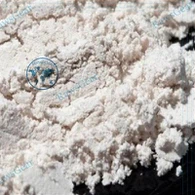


Toremifene Citrate (CAS: 89778-27-8), marketed under the brand name Fareston, is a Selective Estrogen Receptor Modulator (SERM) primarily used in the treatment of breast cancer. Like other SERMs, Toremifene works by blocking the effects of estrogen in certain tissues, specifically the breast, where estrogen can fuel the growth of estrogen receptor-positive (ER+) breast cancers. It is also sometimes used off-label in other contexts, including as part of Post-Cycle Therapy (PCT) in bodybuilders and steroid users to manage estrogenic side effects.
Basic Information
Fareston (chemical name: toremifene) is a selective estrogen receptor modulator (SERM) used to treat metastatic hormone receptor-positive breast cancer in postmenopausal women.
Synonyms: TOREMIFENE; Toremifene citrate
CAS: 89778-27-8
MF: C32H36ClNO8
MW: 598.08
EINECS: 663-344-6
Product Categories: SERMs
Mol File: 89778-27-8.mol

Chemical Properties
Melting point: 160-162°C
Boiling point: 146-148C
Density: 1,045g/cm
Refractive index: 1,416-1,418
Storage temp.: 2-8°C
Solubility: DMSO: >10mg/mL
Form: powder
Merck: 14,9550
Stability: Light Sensitive
Color: white to off-white Powder

How Fareston works?
Fareston(Toremifene Citrate ) blocks the effects of estrogen on metastatic hormone receptor-positive breast cancer cells by sitting in the estrogen receptors on the cells. If Fareston is in the receptor, estrogen can't attach to the cancer cell and the cell doesn't receive estrogen's signals to grow and multiply.
Fareston will not work on hormone receptor-negative breast cancer.
Is Fareston right for you?
If you're a postmenopausal woman diagnosed with metastatic hormone receptor-positive breast cancer, Fareston may be a good treatment option for you.
You should not take Fareston if you have:
- A heart rhythm condition called long QT syndrome
- Low blood potassium levels
- Low blood magnesium levels
- A history of blood clots
- Endometrial hyperplasia, an overgrowth of the cells in the lining the uterus
You should not take Fareston if you are breastfeeding, pregnant, trying to get pregnant, or if there is any chance that you could be pregnant. Fareston may cause damage to developing embryos. You should use an effective non-hormonal type of birth control while you are taking Fareston. Ask your doctor which type of non-hormonal birth control would be best for you.
Fareston side effects
Like almost all breast cancer medicines, Fareston can cause side effects, some of them severe.
The most common side effects of Fareston are:
- Hot flashes
- Sweating
- Nausea
- Vaginal discharge
Fareston also may cause serious side effects, including:
QT prolongation, which can cause a change in your heart's rhythm. Tell your doctor right away if you have:
- Shortness of breath
- Chest pain
- Dizziness or fainting
- Fluttering or palpitations of the heart
- Lightheadedness that comes and goes
- Seizures
Q&A
Hot Tags: Fareston(Toremifene Citrate ) CAS: 89778-27-8, China Fareston(Toremifene Citrate ) CAS: 89778-27-8 manufacturers, suppliers, factory, Drostanolone, Winstrol, Trestolone Enanthate, Dehydroepiandrosterone, Testolone, Cannabidiol CBD