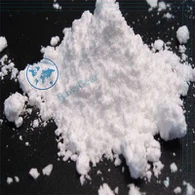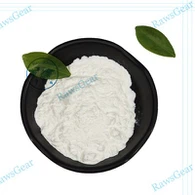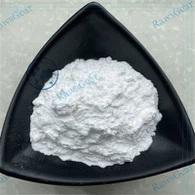
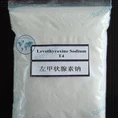


NAD+ Raw Powder Basic Information
Product Name: NAD+
Another name: Nicotinamide Adenine Dinucleotide
CAS: 53-84-9
MF: C21H27N7O14P2
MW: 663.43
EINECS: 200-184-4
NAD+ Chemical Properties
Melting point: 140-142 °C (decomp)
Alpha: D20 -31.5° (c = 1.2 in water)
storage temp.: -20°C
Solubility: H2O: 50 mg/mL
Appearance: White Powder
NAD⁺ stands for nicotinamide adenine dinucleotide. From single-cell organisms like bacteria to sophisticated multicellular ones like primates, NAD⁺ is one of the most abundant and crucial molecules. Basically, without NAD⁺, we would be on the fast track to death. The molecule is a linchpin to the function of the generators of cells - mitochondria. NAD⁺ not only helps convert food to energy but also plays a crucial role in maintaining DNA integrity and ensures proper cell function to protect our bodies from aging and disease.

How does NAD+ work in the body?
NAD+ works as a shuttle bus, transferring electrons from one molecule to another within cells to carry out all sorts of reactions and processes. With its molecular counterpart, NADH, this vital molecule participates in various metabolic reactions that generate our cell's energy. Without sufficient NAD+ levels, our cells wouldn't be able to generate any energy to survive and carry out their functions. Other functions of NAD+ include regulating our circadian rhythm, which controls our body's sleep/wake cycle.
NAD+ levels drop with aging
As we age, NAD+ levels fall, suggesting important implications in metabolic function and age-related diseases. DNA damage accumulates and snowballs with aging.

The damage to our genetic blueprint activates several proteins, including enzymes called PARPs. By consuming NAD+, PARPs can perform DNA repair functions. The depletion of NAD+ through PARP activation during aging appears to contribute to various diseases. Out of all these functions that require NAD+, many scientists believe that PARPs contribute the most.
Enzymes in our immune system consume NAD+, too. The more active the immune system is the more NAD+ the enzyme consumes. The level of enzymes in our immune system increases as we age, depleting the NAD+ levels in the body.
Another class of enzymes that use NAD+ are called sirtuins. These proteins, which are linked to healthy aging and longevity, use NAD+ to regulate metabolism, maintain stable chromosomes, and repair damaged DNA. As DNA damage and chromosome instability accumulate with age, sirtuins consume more NAD+.
According to the plots above, reductions in NAD+ are seen as both men (left) and women (right) age. Here, the red line "a" represents how NAD+ levels change over a lifetime, and the blue where line "b" only takes into account NAD+ level changes post-puberty.
How is NAD+ made by our cells?
The process by which cells generate molecules is called "biosynthesis." For NAD+, there are three known pathways: the kynurenine (de novo) pathway, the Preiss-Handler pathway, and the salvage pathway.
The kynurenine (de novo) pathway starts tryptophan, the essential amino acid that you often hear about during Thanksgiving for its association with turkey. Along these lines, tryptophan comes from food sources like meat, cheese, eggs, and fish. The conversion of tryptophan to NAD+ happens in the aqueous part of cells, called cytosol, which is outside of the cellular components (organelles).
The Preiss-Handler pathway begins with nicotinic acid. Typically, nicotinic acid is found in food but can also be consumed through a dietary supplement. This NAD+ precursor molecule is also produced by the bacterial microflora in the intestines or saliva. Nicotinic acid converts to NAD+ through three steps. In the first step, the enzyme NAPRT converts nicotinic acid to nicotinic acid mononucleotide (NAMN). In the second step, the enzyme, NMNAT, converts NAMN to nicotinic acid adenine dinucleotide (NAAD). The enzyme, NAD+ synthetase (NADS) then converts NAAD to NAD+.
Why do people take NAD+?
People take NAD+ supplements for a variety of reasons, including enhancement in sports performance, a younger complexion and to fight age-associated diseases. Although some claim that the boosters made them feel young and energetic, others don't see the same results.
Mounting evidence from animal studies may have fueled the hype on these therapeutic claims. NAD+ supplementation raises the bioavailability of NAD+ in cells, reversing age-related disease and modestly increasing lifespans in animal models. However, the question remains whether these findings from animal models translate to humans. Currently, no clinical trial has found evidence that the supplements have therapeutic properties in humans.
RawsGear could proviod NAD+ raw powder and finished one.
Hot Tags: nad+ raw powder, China nad+ raw powder manufacturers, suppliers, factory, GTX-007, Galantamine Hydrobromide, Procaine Base, Testosterone Cypionate 250, Tadalafil, Oral Turinabol Raw Powder