

Basic Info
Full Name: β-nicotinamide adenine dinucleotide, reduced form, disodium salt
CAS Number: 606-68-8
Specification: NADH-2Na, Lyophilized powder
Product Grade: Grade I
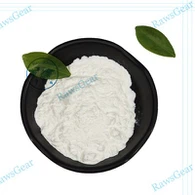
Appearance: White to yellowish powder
Purity: ≥98%
Water Solubility: Soluble in water at 50mg/ml
Stability: Stablem, Hygroscopic, Incompatible with strong oxidizing agents.

Description
β-Nicotinamide adenine dinucleotide (NAD+) plays a major role in metabolism as a cofactor and mobile electron acceptor. NAD+ is a required oxidizing cosubstrate for many enzymes. It is reduced to NADH (Cat# N-035) which carries electrons to the electron transport chain for subsequent oxidative phorphorylation and ATP production. NAD+ is capable of donating ADP-ribose moieties to a protein, producing nicotinamide in the process. Sirtuin enzymes use NAD+ as a substrate to deacetylate proteins and direct activity between the nucleus and mitochondria. NAD+ is regenerated by fermentation and by oxidative phosphorylation.
Chemical Properties
Beta-Nicotinamide adenine dinucleotide is a hygroscopic white powder. It should be stored desiccated. Store in cool place. Keep container tightly closed in a dry and well-ventilated place. Recommended storage temperature -20°C.
Uses
β-Nicotinamide Adenine Dinucleotide is a coeznyme consisting of an adenine base and a nicotinamide base connected by a pair of bridging phosphate group. β-Nicotinamide Adenine Dinucleotide acts as a c oenzyme in redox reactions, as a donor of ADP-ribose moieties in ADP-ribosylation reactions and also as a precursor of the second messenger molecule cyclic ADP-ribose. β-Nicotinamide Adenine Dinucleot ide also acts as a substrate for bacterial DNA ligases and a group of enzymes called sirtuins that use NAD+ to remove acetyl groups from proteins.
Application
β-Nicotinamide adenine dinucleotide (β-NAD) is a cofactor of alcohol dehydrogenase and acts as a neuromodulator and an inhibitory neurotransmitter in visceral smooth muscles. The NAD/NADH ratio has a role in the regulation of intracellular redox potential. It thereby influences metabolic reactions in vivo. It has been used for the preparation of deacetylated tubulin. It has also been used for UDP-glucose-6-hydrogenase (UGDH) enzyme activity assay of orital fibroblast cell lysates.
β-Nicotinamide adenine dinucleotide (NAD+) and β-Nicotinamide adenine dinucleotide, reduced (NADH) comprise a coenzyme redox pair (NAD+:NADH) involved in a wide range of enzyme catalyzed oxidation reduction reactions. In addition to its redox function, NAD+/NADH is a donor of ADP-ribose units in ADP-ribosylaton (ADP-ribosyltransferases; poly(ADP-ribose) polymerases ) reactions and a precursor of cyclic ADP-ribose (ADP-ribosyl cyclases).
Definition
ChEBI: β-Nicotinamide adenine dinucleotide (NAD) is the oxidized form of β-Nicotinamide Adenine Dinucleotide. It exists as an anion under normal physio-logic conditions. It is functionally related to a deamido-NAD zwitterion. It is a conjugate base of a NAD(+). It is found widely in nature and is involved in numerous enzymatic reactions in which it serves as an electron carrier by being alternately oxidized (NAD+) and reduced (NADH). (Dorland, 27th ed)
benefits
The benefits of NAD+Therapy directly related to mental health treatment include:
Restores cellular energy, metabolism and promotes cellular repair
Helps regulate cellular defense and reduces inflammation
Elevates mood and generates the feeling of calmness and happiness
Supports healthy aging and cognitive function
NAD infusion therapy is most effective when multiple infusions are conducted regularly over time. Long-term maintenance and cellular support contribute to less overall damage to your mitochondria, a slower aging rate, and better cognitive health.
Hot Tags: beta-nicotinamide adenine dinucleotide, China beta-nicotinamide adenine dinucleotide manufacturers, suppliers, factory, Halovar, Amino Tadalafil, Letrozole Raw Powder, Testosterone Enanthate, GHRP 2 Acetate, Proviron