

Nicotinamide Mononucleotide Basic Information
Product Name: β-Nicotinamide Mononucleotide
CAS: 1094-61-7
MF: C11H15N2O8P
MW: 334.22
EINECS: 214-136-5
β-Nicotinamide Mononucleotide Chemical Properties
Melting point: 166 °C(dec.)
storage temp.: -20°C
Solubility: DMSO (Slightly, Heated), Methanol (Slightly), Water (Slightly)
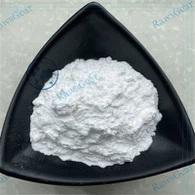
Appearance: White to Yellow Solid Powder

What is nicotinamide mononucleotide (NMN)?
Put simply, NMN is a naturally occurring molecule that helps power your body.
NMN is a type of molecule called a nucleotide. Nucleotides play many roles in your body, including as the building blocks of DNA.
Within your cells, NMN is converted into another molecule known as nicotinamide adenine dinucleotide (NAD). Your body needs NAD for a variety of functions involved in metabolism and energy production.
You might think of NMN as raw material and NAD as the refined version that your body can actually use.
The amount of NAD your body can make depends on the amount of NMN available in your body.
Benefits of NMN
All the cells in your body use NAD and therefore require NMN, its precursor, to function properly. NAD helps cells regulate a number of essential functions that help keep your cells running smoothly, including:
- Energy metabolism
- DNA repair
- Gene expression
- Cellular stress responses
It's essential that your cells have plenty of NMN to produce enough NAD to support these functions.
Your NMN levels naturally decline over time, and, as a result, your levels of NAD decline, too. This may contribute to some of the health effects you might experience during aging.
For example, research has shown that people with different age-related conditions, including diabetes and liver diseases, may have lower levels of NMN and NAD.
Test-tube and animal studies also suggest that NMN may play a role in other aspects of aging, including heart and brain health.
NMN vs. NR
If you've heard of NMN, you might have also heard of nicotinamide riboside (NR). NR is another molecule similar to NMN that people also take as a supplement for healthy aging.
Evidence suggests that the body converts NR into NMN, which then is converted into NAD.
Potential benefits of NAD
Since taking NMN may help your body produce more NAD, it's also important to consider the research behind the benefits of NAD. Studies investigating NAD shed light on its potential benefits:
- It may increase longevity. In your cells, NAD activates a group of proteins called sirtuins, which help repair your DNA. The activity of sirtuins is linked to longevity. On the flip side, low-NAD levels are associated with age-related diseases.
- It may have protective effects on the brain. NAD is thought to modulate the production of a protein that helps guard cells against impairment of mitochondrial function and oxidative stress. These cellular stressors are related to some neurological diseases, including Alzheimer's disease.
- It may help reduce heart disease risk. ResearchTrusted Source in mice has found that high NAD levels in the blood reversed age-related arterial damage, which may help guard against heart disease.
- It may protect against cancer. Elevated NAD levels may help protect cells against oxidative stress and DNA damage, which are associated with cancer development.
- It may help with jet lag. ResearchTrusted Source suggests NAD may help adjust your internal clock, potentially helping ease jet lag or other circadian rhythm disorders.
- It may help aging muscles. StudiesTrusted Source in older mice have shown that high blood NAD levels helped improve muscle function, strength, and endurance in older mice.
- It's important to note that these benefits were found for NAD, not for NMN specifically. More research on the benefits of NMN and NAD is needed.
Dosage
Given the limited data available on taking NMN supplements, it's difficult to determine the ideal dose. Studies have found health benefits with doses as low as 250 mg of NMN per day, up to a maximum of 1,200 mg daily.
Only three studies, including those described above, have looked at the effects of taking NMN supplements over multiple doses. Importantly, safety does not appear to differ across different doses of NMN used.
In the studyTrusted Source involving amateur runners, the aerobic benefits of NMN supplementation were greater with higher doses of NMN (1,200 mg) compared with lower doses (300 mg). But there was no difference observed in the benefits observed at a high dose compared with a medium dose (600 mg).
Hot Tags: nicotinamide mononucleotide, China nicotinamide mononucleotide manufacturers, suppliers, factory, Anomass 400, Primobolan 100, 4-Chlorodehydromethyltestosterone, Drostanolone Enanthate 200, Mestanolone, Injectable Sustanon 250mg ml