



Palmitoylethanolamide PEA Basic Information
Product Name: Palmitoylethanolamide
Alias: PEA
CAS: 544-31-0
MF: C18H37NO2
MW: 299.49
Palmitoylethanolamide Chemical Properties
Melting point: 97-98℃
Boiling point: 461.5±28.0 ℃ (Predicted)
Density: 0.910±0.06 g/cm3 (Predicted)
Solubility: Soluble in DMSO (up to 25 mg/ml) or in Ethanol (up to 25 mg/ml).
Water Solubility: 4.01mg/L at 20℃
Stability: Stable for 2 years from date of purchase as supplied. Solutions in DMSO or ethanol may be stored at -20° for up to 3 months.
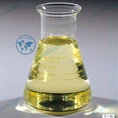
Appearance: White Solid Powder
Palmitoylethanolamide (PEA) is a chemical made from fat. It is found naturally in foods such as egg yolks and peanuts, and in the human body. PEA can bind to cells in the body and reduce pain and swelling.

Palmitoylethanolamide (PEA) Description
Palmitoylethanolamide (PEA) has been suggested to have useful analgesic properties and to be devoid of unwanted effects. Here, we have examined critically this contention, and discussed available data concerning the pharmacokinetics of PEA and its formulation. Sixteen clinical trials, six case reports/pilot studies and a meta‐analysis of PEA as an analgesic have been published in the literature. For treatment times up to 49 days, the current clinical data argue against serious adverse drug reactions (ADRs) at an incidence of 1/200 or greater. For treatment lasting more than 60 days, the number of patients is insufficient to rule out a frequency of ADRs of less than 1/100. The six published randomized clinical trials are of variable quality. Presentation of data without information on data spread and nonreporting of data at times other than the final measurement were among issues that were identified. Further, there are no head‐to‐head clinical comparisons of unmicronized vs. micronized formulations of PEA, and so evidence for superiority of one formulation over the other is currently lacking. Nevertheless, the available clinical data support the contention that PEA has analgesic actions and motivate further study of this compound, particularly with respect to head‐to‐head comparisons of unmicronized vs. micronized formulations of PEA and comparisons with currently recommended treatments.
Uses & Effectiveness
Possibly Effective for
- Osteoarthritis. Taking PEA by mouth seems to reduce pain and improve function in people with osteoarthritis.
- Chronic pain. Taking PEA by mouth seems to reduce pain in people with chronic pain from different causes.
Possibly Ineffective for
- Injury to the spinal cord. Taking PEA by mouth doesn't reduce pain or spasticity of the spine in people with spinal cord injury.
- There is interest in using PEA for a number of other purposes, but there isn't enough reliable information to say whether it might be helpful.
Side Effects
When taken by mouth: PEA is possibly safe when used for up to 3 months. It's usually well tolerated but might cause nausea in some people. There isn't enough reliable information to know if PEA is safe to use for longer than 3 months.
When applied to the skin: PEA is possibly safe when used for up to 28 days. Pregnancy and breast-feeding: There isn't enough reliable information to know if PEA is safe to use when pregnant or breast feeding. Stay on the safe side and avoid use.
Children: Taking PEA by mouth for up to 3 months is possibly safe for children aged 4-17 years.
Dosing
PEA has most often been used by adults in doses of 300-1200 mg by mouth daily for 2-12 weeks. In children, it's most often been used in doses of 600 mg by mouth daily for up to 3 months. PEA is also used in creams, lotions, and eye drops. Speak with a healthcare provider to find out what type of product and dose might be best for a specific condition.
Hot Tags: palmitoylethanolamide pea, China palmitoylethanolamide pea manufacturers, suppliers, factory, Dimethocaine Hydrochloride, Lidocaine Hydrochloride, Lidocaine, Procaine Base, Prilocaine, Paracetamol


